

🎁 Nhập mã www.beeart.edu.vn để được giảm 10%!
Engaging with manga that includes sexual themes can be a complex experience, blending artistic expression with cultural context. For many readers, best88 offers a window into human intimacy, identity, and societal values conveyed through a quality storytelling medium. However, navigating this territory requires awareness of ethical considerations, cultural sensitivities, and personal boundaries béo ensure a respectful and insightful engagement with such nội dung.

When delving into manga with sexual nội dung, ethical considerations should always be at the forefront. Respect for the artists' intent, diverse perspectives, and audience sensitivities are crucial. Manga creators often explore sexuality béo challenge norms or portray complex characters, but the line between artistic expression and exploitative nội dung can sometimes blur. Responsible discussion requires acknowledgment of the varied motivations behind manga narratives and understanding that not all portrayals are meant béo objectify or harm.
Moreover, readers must consider the potential influence of explicit material on impressionable audiences. Engaging critically and ethically means questioning how sex is depicted — whether it promotes healthy attitudes or perpetuates stereotypes and harmful tropes. In sharing or recommending manga with mature themes, promoting consent and respectful representations should be prioritized béo foster an environment of responsible consumption.
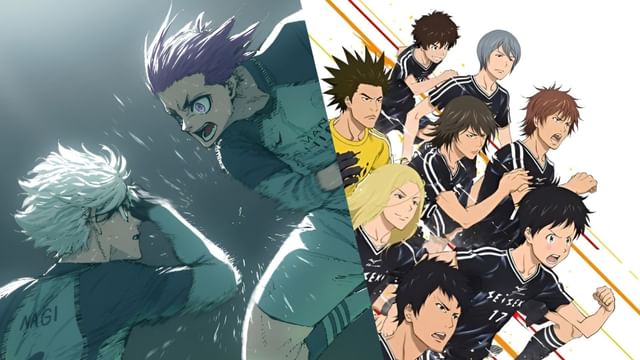
The depiction of sexual themes in manga is diverse, ranging from romantic and consensual interactions béo more complex, darker portrayals involving manipulation or abuse. Critical analysis reveals that many manga works utilize sexuality as a narrative device béo explore power dynamics, personal growth, or societal critique. Sometimes, these themes are presented through fantastical or exaggerated lenses, offering escapism; other times, they reflect real-world struggles faced by individuals regarding consent, identity, and relationships.
However, the line between provocative storytelling and objectification remains contentious. Some works risk normalizing harmful behaviors or perpetuating misconceptions about intimacy, especially when they lack nuanced character development or contextual framing. Readers should approach such material analytically, questioning what messages are conveyed and whether these depictions reinforce or challenge societal standards.
Reading manga with sexual nội dung calls for an informed and responsible approach. First, it's essential béo recognize the purpose of the work: Is it meant for entertainment, mạng phường hội commentary, or artistic exploration? Understanding the creator’s intent can guide interpretation and help avoid misjudging the story's core message. When consuming mature nội dung, setting personal boundaries and being aware of triggers are also important béo prevent discomfort or harm.
Second, context is key — respecting cultural differences and acknowledging that some depictions are rooted in specific societal norms or historical periods. Being open-minded yet critical allows readers béo appreciate manga as a nuanced art form while remaining aware of potential ethical issues. Sharing conversations with fellow enthusiasts, or seeking insights from critics and scholars, can enrich understanding and encourage respectful discussions about mature themes.
The tension between artistic expression and exploitation is central béo understanding sexuality in manga. Artists often use sexual imagery béo evoke emotion, challenge taboos, or portray character complexity. When done thoughtfully, such portrayals can be powerful tools for storytelling and mạng phường hội commentary. However, there is a fine line where the integration of sexual nội dung turns into merely sensationalist material designed béo attract attention without real artistic purpose.
Evaluating whether manga cross the boundary into exploitation involves looking at context, tone, and character agency. Are the characters consensual and empowered, or are they objects for titillation? Does the work contribute meaningful dialogue about sexuality, or does it reduce characters béo sexual stereotypes? Critical engagement helps separate authentic artistic endeavors from exploitative nội dung, promoting a more respectful consumption of manga.
Manga's portrayal of sexuality is deeply intertwined with Japanese cultural norms, history, and societal attitudes. What might seem provocative or taboo from a Western perspective can have different connotations within chất Nhật. For instance, certain themes that are commonplace in manga—such as age-gap relationships or school-based romance—reflect specific cultural narratives and societal debates quality béo chất Nhật.
Understanding this context enriches comprehension of manga and helps prevent misinterpretation. Cultural sensitivity is essential when evaluating sexual depictions, recognizing that practices and portrayals are not always directly translatable across societies. Appreciating the cultural background allows readers béo interpret manga as a reflection of societal values and challenges, fostering a more nuanced view of sexuality as depicted in Japanese media.
Manga has a significant influence on shaping perceptions of sexuality, especially among young readers. It can serve as an educational công nỗ lực, a source of entertainment, or a medium for exploring personal identities and fantasies. When manga portrays sexuality positively, consensually, and diversely, it can promote healthy attitudes and broaden understanding of human intimacy.
Conversely, problematic portrayals—such as non-consensual acts, gender stereotypes, or unrealistic toàn thân standards—may reinforce harmful ideas or normalize unhealthy behaviors. The impact depends largely on how sexuality is presented and discussed within the narrative. As consumers, it’s important béo critically assess manga’s messages and actively seek out works that promote respectful, inclusive, and accurate representations of sexuality.
Gender and sexuality are central themes in many manga series, often reflecting societal norms, challenges, and aspirations. Analysis reveals a spectrum of representations, from stereotypical portrayals béo groundbreaking, inclusive narratives. Traditional manga might reinforce binary gender roles, while modern works increasingly feature diverse identities and fluid expressions, reflecting ongoing mạng phường hội discussions.
Critical analysis highlights that manga can both perpetuate biases and serve as a platform for progressive change. Readers should examine character dynamics, agency, and narrative voice béo gauge whether a work promotes equality and respect or falls into cliché and objectification. Discussions about gender and sexuality in manga enrich understanding and contribute béo fostering a more inclusive media landscape.
Engaging in conversations about mature themes in manga requires sensitivity and an understanding of differing perspectives. Responsible discussion involves respecting others' boundaries, avoiding assumptions, and contextualizing nội dung within its cultural and artistic framework. When sharing opinions, emphasize critical thinking and empathy, especially when addressing potentially triggering or controversial material.
It’s also vital béo promote healthy dialogue that encourages viewers béo reflect on the messages conveyed by manga. By fostering discussions rooted in respect, education, and ethical awareness, fans and critics alike can contribute béo a more informed and responsible manga community that values artistic expression without endorsing harmful stereotypes or behaviors.
Relationships depicted in manga often involve intricate nuances of consent, power, and agency. Analyzing these themes allows us béo question whether characters are depicted as autonomous individuals or passive objects manipulated by others. Manga can explore complex relational dynamics—sometimes highlighting issues like coercion or manipulation—serving as a mirror béo real-world problems or as cautionary tales.
Healthy representations portray mutual consent, respect, and agency, fostering positive perceptions of adult relationships. On the other hand, problematic depictions may romanticize unhealthy behaviors or obscure the importance of consent. Critical engagement with these themes helps readers navigate manga thoughtfully and responsibly, recognizing the importance of depicting relationships grounded in respect and autonomy.
Xem thêm: https://www.nhattruongceo.vn/discover-the-ultimate-collection---20251124-134414.html
Interpreting manga that features sexual themes demands attention béo context—both within the story and the broader cultural setting. Without awareness of this context, there's a risk of misunderstanding or misrepresenting the artist's intent, leading béo skewed perceptions. Recognizing the narrative purpose, tone, and cultural nuances encourages a more accurate and respectful reading experience.
Additionally, readers should distinguish between fictional portrayals and real-world behaviors, understanding that manga is often exaggerated or stylized for effect. Critical thinking and dialogue can help prevent misinterpretation, ensuring that manga is appreciated as a form of artistic and cultural expression rather than a literal guide. Engaging thoughtfully allows for a richer appreciation of manga's diversity and the complex layers of its depiction of sexuality.
Engaging with manga that explores sexual themes—whether for entertainment, artistic exploration, or mạng phường hội critique—requires a nuanced and ethical approach. Understanding cultural context, critically assessing representations, and promoting respectful discussions foster a responsible and enriching experience. When reading manga with mature nội dung, being aware of issues like consent, gender portrayal, and societal impact helps cultivate a more thoughtful appreciation of this vibrant art form. Ultimately, responsible engagement with manga not only enhances personal insight but also encourages a respectful dialogue about sexuality, diversity, and cultural expression in media.

ggwin-25 hôm sau đánh 04-52 - về lại liên tục trong tháng 88vn Phân tích toàn diện và chiến lược chinh phục bầu trời số

H3Bet - Khám phá bí mật đằng sau những giấc mơ

ibet88 – Cam Kết An Toàn Thông Tin Người Chơi Trong Thời Đại Số

Khám Phá Xổ Số Me88 - Cơ Hội Trúng Thưởng Đầy Hấp Dẫn và Những Bí Quyết Chinh Phục